No products in the cart.

Why Are My Lips So Dry? Common Causes and How to Fix Chapped Lips Fast
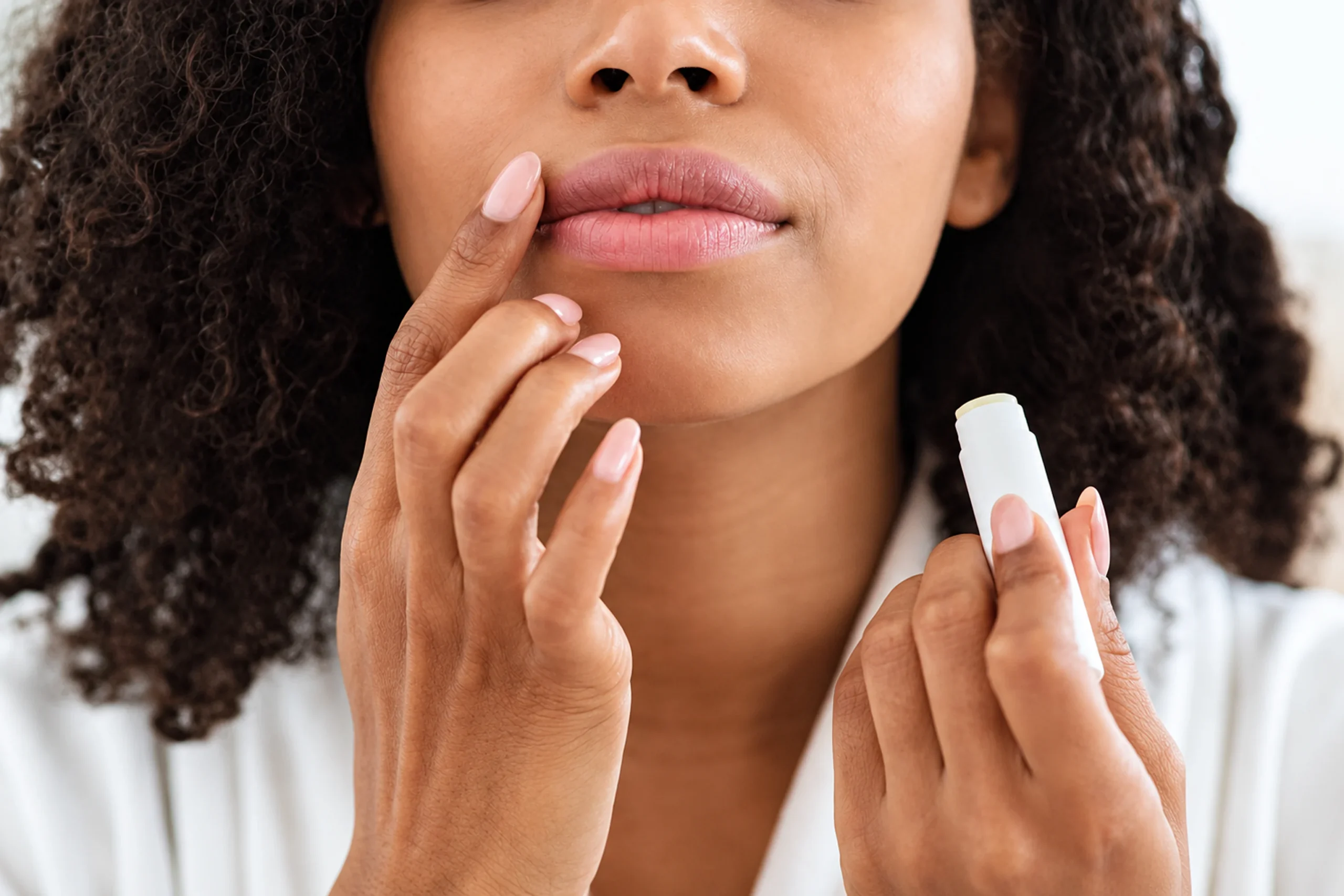
Why are my lips so dry, even after the fourteenth swipe of balm today? Lip skin is thinner than the skin on the rest of your face and has no oil glands, so it loses moisture fast. Add cold air, sun, lip licking, or an irritating product, and you get flaky, chapped lips. The good news: most cases are very fixable.
Quick Fix: soft lips, starting tonight
- Stop using any lip product that stings, burns or tingles.
- Apply a thick, fragrance-free balm or ointment several times a day and before bed.
- Stop licking, biting, and peeling your lips.
- Run a humidifier in your bedroom.
- Wear a lip balm with SPF 30 or higher when you head outside.
Why Your Lips Dry Out So Easily
If you’ve ever typed “why my lips are so dry” into your phone at 2 a.m., here’s the short version: your lips are built differently.
The skin on the rest of your face has a thicker protective layer and oil glands that keep it naturally moisturized. Your lips have neither. Their outer layer is thin, and they lose water to the air faster than almost anywhere else on your body.
Your lips also have very little melanin, the pigment that helps shield skin from UV rays. So they burn more easily too.
Put it all together, and your lips are basically running on no backup system. They depend on you, and whatever you put on them, to hold moisture in.
Common Causes of Dry, Chapped Lips
Chapped lips rarely have just one cause. Usually a few of these stack up at once.
Cold Air, Wind and Blasting Indoor Heat
Cold air holds less moisture, and wind strips away what little your lips have. Then you walk inside, where the heat has been on all day, and the air is just as dry.
Air conditioning, airplane cabins, and ski slopes do the same thing. That’s why chapped lips love winter, flights, and outdoor sports.
The Sun (Yes, Even in Winter)
UV rays damage the thin skin on your lips, leaving them dry, rough, and more likely to peel. And the sun doesn’t clock out in December. Snow reflects UV light, so a winter weekend on the slopes can be rougher on your lips than a beach day.
Licking, Biting and Picking
Licking feels like relief for about three seconds. Then the saliva evaporates and takes moisture with it, leaving your lips drier than before. Saliva also contains digestive enzymes that irritate delicate skin.
It becomes a cycle: dry lips make you lick, and licking makes them drier. Some people lick so often they develop a red, chapped ring around the mouth, known as lip licker’s dermatitis.
Biting and peeling off flakes creates tiny wounds that slow everything down.
Mouth Breathing While You Sleep
Wake up with lips that feel like sandpaper? You might be breathing through your mouth at night. That’s common with a stuffy nose, allergies, or certain sleep issues.
Hours of air flowing over your lips dry them out, no matter how much balm you put on before bed.
Your Lip Products (and Your Toothpaste)
This one surprises people. The lip balm you rely on could be part of the problem. Fragrance, flavorings, menthol, camphor, and some sunscreen ingredients can irritate chapped lips or cause an allergic reaction called contact cheilitis.
Toothpaste can be a trigger too, especially strongly flavored ones like cinnamon or intense mint. So can lipsticks, long-wear formulas, and even foods you’re sensitive to.
Skincare Actives and Medications
Your face routine can migrate. Retinol, prescription retinoids, exfoliating acids, and vitamin C serums can travel onto your lips while you sleep or as you apply them, and cause dryness or irritation.
Makeup-removing wipes can do the same.
Some medications list dry or chapped lips as a common side effect. Isotretinoin, the oral acne medication, is the best-known example. If you’re taking something new and your lips suddenly won’t cooperate, mention it to your doctor or pharmacist.
Water, Nutrition and Your Overall Health
Drinking enough water matters for your whole body, including your skin. But mild dehydration usually isn’t the main reason your lips are dry. If you’re drinking plenty and your lips are still flaky, look at the other causes on this list first.
Low levels of certain nutrients, including B vitamins, iron, and zinc, can sometimes show up as dry or cracked lips. Some health conditions can too. That isn’t something to guess at or self-treat with supplements. If your lips stay dry no matter what you do, that’s a conversation for your doctor (more on that below).
Why Are My Lips Still Dry If I Use Lip Balm All Day?
Here’s the catch: lip balm isn’t one thing. Some formulas genuinely protect your lips. Others just feel nice for a few minutes. A few can make things worse.
Common reasons your balm isn’t working:
- It contains irritants. Menthol, camphor, eucalyptus, phenol, and salicylic acid give that cooling tingle many people associate with “working.” That tingle is actually irritation.
- It’s flavored or scented. Fragrance and flavor can irritate already-chapped lips. A delicious flavor also makes you more likely to lick them.
- It isn’t sealing anything in. Some products draw moisture in but don’t hold it there. Without an occlusive layer on top, that moisture evaporates.
- It’s too light for the job. A thin, waxy stick is fine for everyday maintenance. Cracked lips usually need something richer.
- Your lips keep getting re-irritated. Retinoids migrating from your face, toothpaste, or licking between swipes can undo your balm all day long.
And no, lip balm doesn’t make your lips “addicted” or stop them from producing their own moisture. Lips don’t make oil in the first place. If you feel like you need balm constantly, the formula or a habit is usually the culprit.
How to Fix Chapped Lips
Knowing how to fix chapped lips mostly comes down to two jobs: stop irritating them, and help them hold on to moisture.
Step 1: Ditch Anything That Stings or Tingles
If a lip product burns, stings, or tingles, stop using it. It isn’t working harder; it’s irritating your lips.
While your lips are chapped, take a break from:
- Flavored, scented, “cooling” and medicated balms
- Long-wear lipsticks and stains
- Tingly plumpers
Check your toothpaste and face products too.
Step 2: Moisturize, Then Seal It In
The most effective lip products combine three types of ingredients:
- Humectants (like glycerin or hyaluronic acid) pull water into the skin.
- Emollients (like shea butter and plant oils) soften rough, flaky patches.
- Occlusives (like petrolatum, beeswax, and dimethicone) form a protective layer that keeps moisture from escaping.
For very dry, cracked lips, dermatologists often reach for a thick ointment such as plain petroleum jelly, because ointments hold moisture in longer than light waxes or oils.
Prefer to skip petroleum? Look for a rich, fragrance-free balm built around occlusive, conditioning ingredients like beeswax, shea butter, and castor oil.
Step 3: Reapply Often, Especially Before Bed
One swipe in the morning won’t cut it. Reapply several times a day, after eating or drinking, and right before you go outside.
The most important application is the one before bed, when your lips have hours to recover without being wiped away.
Step 4: Hands Off the Flakes and Add Humidity
Yes, that flake is extremely tempting. Leave it alone. Peeling it off can cause bleeding, raw skin, and more irritation, and it slows healing.
Keep the balm handy, so your fingers have something better to do. Also avoid holding metal objects like pens, paper clips, or jewelry between your lips, which can irritate them.
Then add moisture to the air. A humidifier in your bedroom helps, especially in winter or if you breathe through your mouth at night.
How to Fix Chapped Lips Fast (Your Overnight SOS)
When you need relief now, try “lip slugging” before bed:
- Dampen your lips with a little water, or leave them slightly damp after washing your face.
- Apply a nourishing balm or lip mask while your lips are still slightly damp.
- Seal it all in with a thick layer of ointment or a rich overnight mask.
- Turn on the humidifier and let it work while you sleep.
You’ll likely wake up with lips that feel noticeably more comfortable.
No lip balm? Here’s how to fix chapped lips without ChapStick.
| Use it | Skip it |
| Plain petroleum jelly | Toothpaste |
| A fragrance-free ointment or moisturizer you already trust | Lemon juice |
| Pure shea butter | Baking soda scrubs |
| A drop of coconut, olive or sunflower oil, ideally sealed with something thicker | Cinnamon or peppermint oil |
| Alcohol-based gels | |
| Licking them “just this once” |
Honey is a popular home remedy, but the evidence is limited, and a sticky, sweet coating tends to invite licking. It isn’t worth relying on.
Real Talk: how fast is “fast”?
- Within hours: Comfort improves once you stop irritating your lips and seal in moisture.
- Within a few days: Flaking and roughness usually start to ease if you’re consistent.
- Within 2–3 weeks: Ordinary chapped lips should be healed. If they aren’t, it’s time to see a dermatologist.
Anyone promising instant, overnight healing is overselling.
Lip-Care Ingredients: What Helps and What to Skip
Reading the label beats trusting the cute packaging. Here’s what to look for.
Ingredients Your Lips Love
These are well-established choices for dry, chapped lips:
- Petrolatum/petroleum jelly: a heavyweight occlusive for very dry, cracked lips.
- Beeswax: a classic protective barrier that helps lock in moisture.
- Shea butter and cocoa butter: rich emollients that soften and cushion.
- Castor seed oil and hemp seed oil: conditioning oils that dermatologists recommend.
- Plant oils (like sunflower and coconut): soften and condition, and work best with a sealing layer.
- Dimethicone and ceramides: support the skin barrier and reduce moisture loss.
- Glycerin and hyaluronic acid: humectants that pull in water, best topped with an occlusive.
- Vitamin E: an antioxidant that helps condition lips.
Ingredients That Can Make Chapped Lips Worse
The American Academy of Dermatology suggests steering clear of these while your lips are chapped:
- Camphor
- Eucalyptus
- Menthol
- Phenol (or phenyl)
- Salicylic acid
- Fragrance
- Flavorings, especially cinnamon, citrus, mint, and peppermint
- Lanolin
- Propyl gallate
- Octinoxate or oxybenzone
Many of these are perfectly fine for people with healthy, happy lips. The issue is that damaged, chapped skin is more easily irritated. Once your lips have fully healed, you can reintroduce your favorites one at a time and notice how your lips respond.
SPF for Lips: What to Look For
Sun protection keeps lips from getting dry and damaged in the first place. It also protects against long-term UV damage. Look for:
- SPF 30 or higher
- Broad-spectrum protection, which covers both UVA and UVB rays
- A formula you’ll actually reapply every two hours outdoors and after eating, drinking, or swimming
If your lips are sensitive or currently chapped, mineral filters (zinc oxide or titanium dioxide) are generally the gentlest option. Once your lips are healthy, an everyday SPF lip balm you enjoy wearing is the one that protects best, simply because you’ll use it.
Our SPF 30 Lip Balms are made for exactly that daily habit. Choose the unscented Original if you like to keep things simple.
Balm, Mask, Oil or Scrub? Which One Your Lips Actually Need
Different lip products do different jobs. Match the product to what your lips are going through right now.
| Your lips right now | What helps most | Skip for now |
| Cracked, stinging, or bleeding | Thick, fragrance-free ointment; very gentle care | Scrubs, flavored balms, plumpers, long-wear lipstick |
| Dry and flaky, but not cracked | Rich balm by day, overnight lip mask by night | Aggressive scrubbing |
| Healthy, you want to keep them that way | Nourishing everyday balm, SPF when outdoors, occasional mask | Nothing, just stay consistent |
| Rough texture on intact lips | Gentle scrub once a week, followed by a mask or balm | Scrubbing more than once or twice a week |
Lip balm is your everyday protector. A good one pairs a sealing ingredient with conditioning oils. Our Organic Lip Balm is built on organic beeswax, sunflower oil, coconut oil, and castor oil, with vitamin E.
A lip mask is a thicker overnight treatment. The Resting Lip Mask has shea butter and vitamin E and is designed to be applied in the evening. That makes it an easy night-routine step once the worst of the cracking has calmed down.
Lip butter sits between the two: richer than a stick, lighter than a mask. It’s handy for winter days.
Lip oil adds softness and shine. It works best as a conditioning layer, not as your only protection on very dry lips.
A lip scrub removes dead flakes from intact lips so your balm can do its job. Never scrub cracked, raw, or bleeding lips. When you do exfoliate, keep it gentle and weekly, and follow up with a mask. Our Lip Mask and Lip Scrub Set pairs the two.
Your Simple Daily Lip-Care Routine
Consistency beats intensity. Here’s a routine that takes about 30 seconds a day.
Morning
- Apply a nourishing lip balm after brushing your teeth.
- Heading outside? Add a broad-spectrum SPF 30 lip balm, or wear it on its own.
Daytime
- Reapply after eating or drinking.
- Reapply every two hours when you’re outdoors.
- Keep a balm everywhere: bag, car, desk, gym bag.
Night
- After your skincare routine, apply a generous layer of lip mask or a rich balm.
- Using retinoids on your face? Put your lip product on first as a protective barrier.
Weekly
- Only if your lips are intact: gently exfoliate once a week, then follow with a mask.
How to Keep Chapped Lips From Coming Back
Once your lips are soft again, a few habits keep them that way:
- In winter: Wrap a scarf over your mouth in cold wind and run a humidifier indoors.
- In summer: Wear SPF on your lips every day and reapply after swimming.
- On flights: Apply a rich balm before boarding and reapply during the flight.
- For sports, skiing and hiking: Treat your lips like the rest of your skin. SPF goes on first and gets reapplied often.
- During retinoid or acid treatments: Protect your lips before applying face products.
- When you catch yourself licking: Reach for balm instead. An unflavored formula makes the habit easier to break.
- If you breathe through your mouth at night: Use a humidifier and talk to a doctor about ongoing congestion.
- When you try a new lip product: If your lips start acting up, it’s the first thing to pause.
When to See a Dermatologist About Dry Lips
Most chapped lips are a nuisance, not a medical problem. But lips that don’t respond to good care deserve a closer look.
If your lips haven’t improved after two to three weeks of consistent care, make an appointment with a board-certified dermatologist or your healthcare provider.
Get checked sooner if you notice:
- Cracking, crusting, bleeding, or blisters that keep coming back
- Swelling, significant pain, or itching that won’t settle
- Sores that don’t heal
- White, discolored, or scaly patches
- A rough spot that feels like sandpaper and stays put, especially on your lower lip
- Painful cracks at the corners of your mouth that won’t go away
- Dry lips along with other new symptoms elsewhere in your body
Persistent dryness can have causes that need proper diagnosis. These include an allergy to a product, a yeast or bacterial infection, eczema, a medication side effect, or long-term sun damage.
A condition called actinic cheilitis, caused by years of UV exposure, can look like lips that are always chapped. It’s considered precancerous and is very treatable, which is exactly why it’s worth having a professional look.
A dermatologist can examine your lips, ask about the products you use, and order tests such as patch testing if needed.
FAQ
Does drinking water help dry lips?
Staying hydrated supports your overall skin health, so keep drinking water. But unless you’re significantly dehydrated, water alone usually won’t fix chapped lips. The bigger wins are protecting your lips from dry air and sun, avoiding irritants, and sealing moisture in.
Is Vaseline good for chapped lips?
Yes. Plain petroleum jelly is an occlusive that dermatologists commonly recommend for very dry, cracked lips. It doesn’t add moisture itself; it keeps moisture from escaping. It works best applied over slightly damp lips or over a hydrating balm.
Is coconut oil good for chapped lips?
Coconut oil is an emollient that can help soften dry lips. It’s a common ingredient in lip balms for good reason. On its own, it doesn’t seal as long as a thicker ointment or wax-based balm, so it works best as part of a formula or topped with something more protective.
How long do chapped lips take to heal?
Mild chapping often feels better within a day or two of good care and improves noticeably within a few days. Most cases heal within two to three weeks. If yours haven’t, see a dermatologist.
Why are my lips dry but not chapped?
Your lips can lose moisture and feel tight before visible flaking or cracking starts. Lip licking, dry indoor air, mouth breathing, certain medications, and a dry mouth can all leave lips feeling dry without looking chapped. Treat it early with a good balm to stop it progressing.
Why are the corners of my mouth cracked?
Cracks at the corners of your mouth are often a condition called angular cheilitis. Saliva collects there, the skin breaks down, and yeast or bacteria can get into the cracks. Keep the area clean and protected. If the cracks are painful or don’t clear up, see a healthcare provider, since angular cheilitis sometimes requires prescription treatment.
Every BITCHSTIX purchase helps support survivors of domestic violence and sexual assault. Be Courageous. Speak Up.